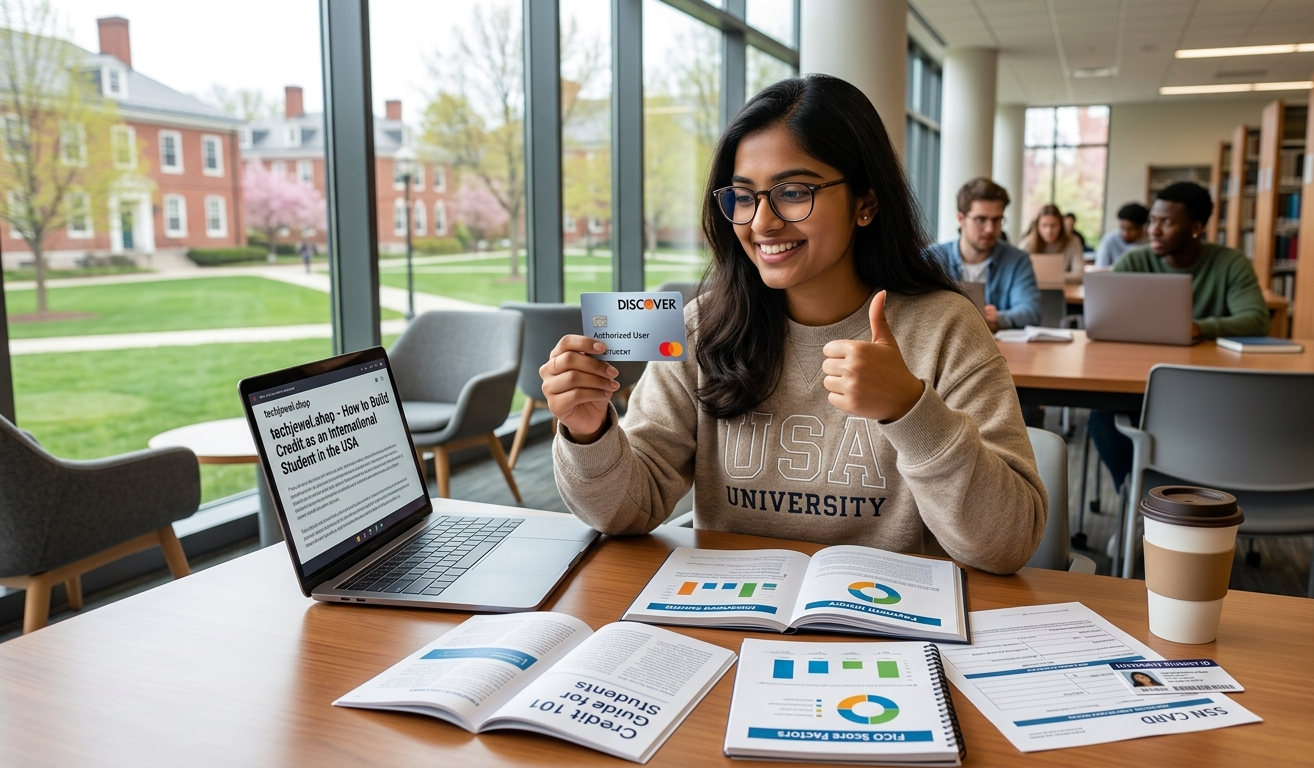
Moving to the United States for higher education is a dream come true for thousands of international students every year. However, once you arrive, you quickly realize that the US financial system revolves around one crucial number: your credit score.
From renting an apartment and setting up a mobile postpaid plan to buying a car or getting a student loan without a cosigner, a good credit score is essential. Unfortunately, your credit history from your home country does not transfer to the US. You have to start from scratch.
This comprehensive 2026 guide will walk you through exactly how the US credit system works and the fastest, safest ways to build an excellent credit score as an international student.
Understanding the US Credit System: The Basics
A credit score is a three-digit number ranging from 300 to 850 that tells lenders how responsibly you manage money. In the US, the most commonly used credit scoring model is the FICO Score.
FICO Credit Score Ranges:
- 800–850: Exceptional
- 740–799: Very Good
- 670–739: Good (Target Range)
- 580–669: Fair
- 300–579: Poor
Your score is calculated based on five main factors: payment history (35%), amounts owed/credit utilization (30%), length of credit history (15%), new credit inquiries (10%), and credit mix (10%).
Step-by-Step Guide to Building Credit as an International Student
Step 1: Apply for an SSN or ITIN
To track your financial activity, US credit bureaus need a unique identification number.
- Social Security Number (SSN): You can get this if you secure an on-campus part-time job or a Graduate Assistantship (GA).
- Individual Taxpayer Identification Number (ITIN): If you are not legally allowed to work on campus, you can apply for an ITIN through the IRS to open interest-bearing bank accounts or file taxes.
Note: Some international student-focused credit card companies allow you to apply using just your passport and I-20 form if you don’t have an SSN yet.
Step 2: Get a Student-Friendly or Secured Credit Card
As an international student, traditional banks might reject your credit card application because you have no history. Instead, you should look into these specific options available in 2026:
1. International Student Credit Cards (No SSN Required)
Companies like Deserve EDU and Zolve specialize in offering credit cards to international students. They look at your visa status, university enrollment, and major instead of your US credit history.
2. Secured Credit Cards
If you apply through major US banks like Discover or Capital One, you can start with a Secured Credit Card. You provide a refundable cash deposit (e.g., $200), which becomes your credit limit. If you pay your bills on time for several months, the bank refunds your deposit and upgrades you to a standard card.
Step 3: Become an Authorized User
If you have a trustworthy relative, close friend, or spouse living in the US who already has an excellent credit history, they can add you as an Authorized User on their existing credit card account.
- The primary account holder’s positive payment history will show up on your credit report.
- You don’t even need to physically use the card to benefit from their good credit habits.
Step 4: Use Credit Builder Loans
If you want to avoid credit cards entirely, a credit builder loan is a highly structured alternative. Platforms like Self or credit unions offer these.
Instead of giving you the money upfront, the lender holds the loan amount in a bank account while you make small, affordable monthly payments. Once the loan term ends, you receive the money back, and all your timely payments are reported to the credit bureaus.
Golden Rules to Maintain a High Credit Score
Getting a credit card is only half the battle; using it correctly is what builds the score. Follow these three rules strictly:
| Rule | What it Means | Impact on Score |
| Pay 100% On Time | Never skip a payment. Set up Auto-Pay for the “Statement Balance” every month. | 35% (Highest Impact) |
| Keep Utilization Low | Never spend up to your credit limit. Keep your balance below 30% of your limit (e.g., spend less than $90 if your limit is $300). | 30% (High Impact) |
| Keep Accounts Open | Do not close your oldest credit card, even if you stop using it frequently. | 15% (Medium Impact) |
Crucial Financial Mistakes to Avoid
- Applying for Too Many Cards at Once: Every time you apply for a credit card, a “Hard Inquiry” is recorded on your profile. Too many inquiries in a short period make you look desperate for credit and drop your score.
- Carrying a Balance: Do not leave a balance on your card thinking it builds credit. It only forces you to pay incredibly high interest rates. Always pay your full bill before the due date.
Final Tips
Building a credit score from scratch as an international student takes time—usually around 6 months of consistent financial activity to see your first FICO score. By starting early with an international student credit card or a secured card, paying your bills diligently, and keeping your spending low, you will set yourself up for financial freedom and long-term success in the USA.